
Fill out the form to see if Lazy Fit matches your needs.
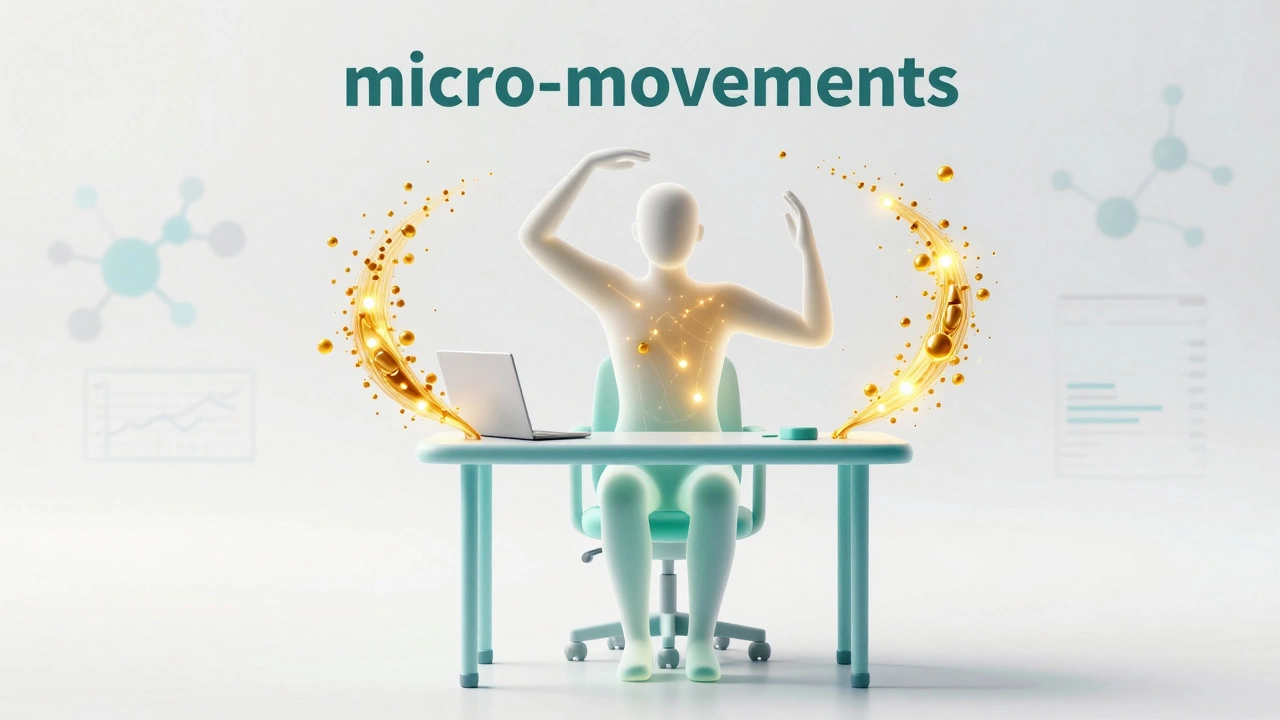
Let’s be honest: most of us are tired. Between work deadlines, family obligations, and the sheer exhaustion of modern life, the idea of a rigorous hour-long gym session feels less like self-care and more like a punishment. This is where Lazy Fit comes in. It promises to bridge the gap between total inactivity and intense training by focusing on "micro-movements" and passive engagement. But does it actually deliver results, or is it just another digital placebo?
The short answer is yes, but with major caveats. If you expect to build muscle mass or run a marathon using only this approach, you will be disappointed. However, if your goal is to break a cycle of complete sedentarism, improve joint mobility, and establish a basic habit loop without the mental friction of traditional exercise, Lazy Fit offers a surprisingly effective entry point.
To understand if it works, we first need to define what Lazy Fit actually is. Unlike Strava, which tracks high-intensity running data, or MyFitnessPal, which focuses on calorie counting, Lazy Fit operates on the principle of accumulated movement. The app utilizes your smartphone’s accelerometer and gyroscope to detect small, frequent movements throughout the day.
It categorizes these into three buckets:
The core philosophy here isn’t about burning calories; it’s about combating the physiological damage of sitting still. Studies from the University of Sydney have shown that breaking up sedentary time with light activity significantly improves insulin sensitivity and blood flow, even if the intensity is low. Lazy Fit gamifies this process, turning mundane movements into points and streaks.
Skeptics often argue that unless you’re sweating, you aren’t working out. This is a misconception rooted in old-school fitness culture. While high-intensity interval training (HIIT) builds cardiovascular endurance, light physical activity serves a different, equally critical purpose: metabolic regulation.
When you sit for prolonged periods, an enzyme called lipoprotein lipase-which helps break down fat in your blood-becomes less active. Lazy Fit aims to reactivate this enzyme through frequent, low-intensity bursts. For example, doing five minutes of gentle stretching every hour can yield similar metabolic benefits to one continuous 30-minute moderate walk, according to research published in the *Journal of Physical Activity and Health*.
This doesn’t mean Lazy Fit replaces cardio. It means it complements it by addressing the "sitting disease" aspect of modern life. If you have a desk job, the app’s value proposition shifts from "fitness tool" to "health insurance policy."
| Feature | Benefit | Limitation |
|---|---|---|
| Movement Tracking | Passive data collection requires zero user input | Can misinterpret non-exercise movements (e.g., driving) |
| Gamification | Streaks and badges boost adherence for beginners | Rewards lose novelty after 3-4 months |
| Content Library | Short, guided video clips are easy to follow | Lacks progressive overload for strength gains |
| Price Point | Free tier is generous; premium is affordable | Premium features lock advanced analytics |
The biggest advantage of Lazy Fit is its low barrier to entry. You don’t need equipment, space, or energy. The downside? It won’t transform your physique. If you are looking for hypertrophy (muscle growth) or significant weight loss, this app alone is insufficient. It is a maintenance tool, not a transformation engine.
Not everyone needs this app. If you already hit the gym four times a week, Lazy Fit might feel patronizingly simple. However, it shines for specific demographics:
For these groups, the psychological win of "doing something" outweighs the caloric burn. Building the identity of someone who moves regularly is half the battle in fitness.
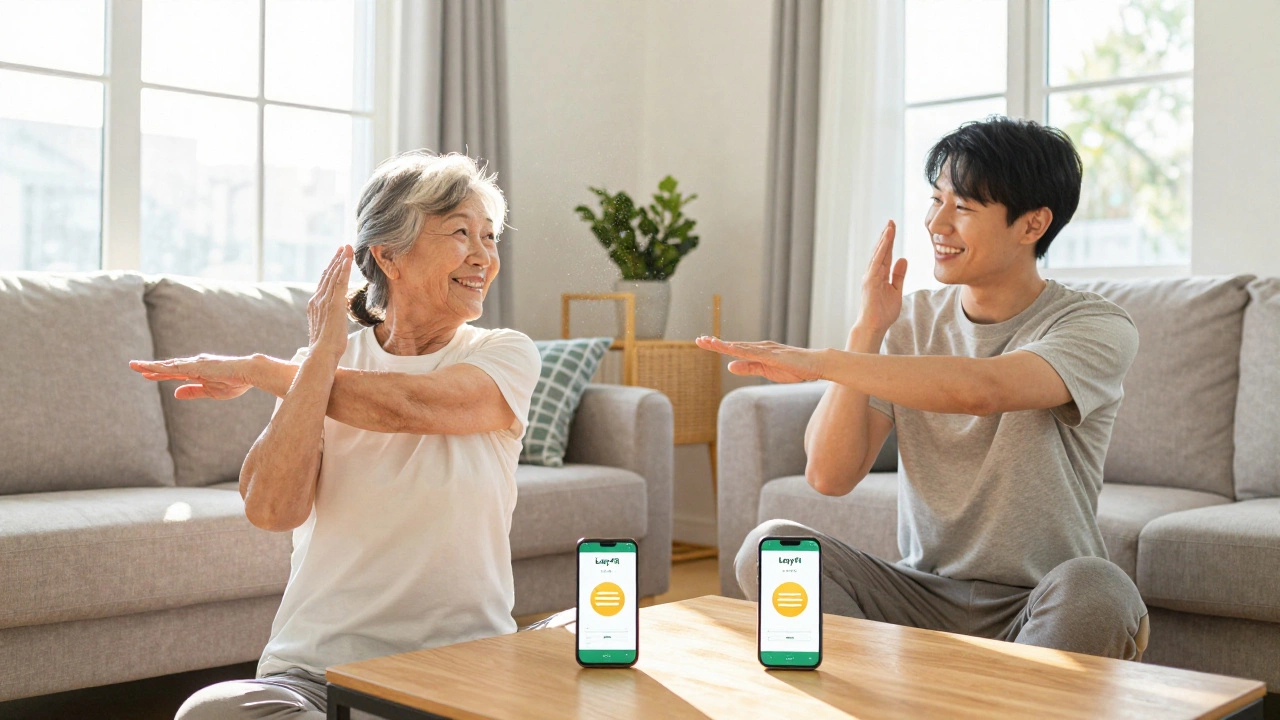
If you decide to give Lazy Fit a try, treat it as a foundation, not the entire house. Here is how to get the most out of it:
If Lazy Fit doesn’t resonate with you, there are other options depending on your goals. For those wanting slightly more structure, Nike Training Club offers free, guided workouts ranging from beginner to advanced. If you prefer mindfulness over movement, Headspace includes gentle yoga flows that serve a similar purpose to Lazy Fit’s micro-stretches but with a greater focus on mental health.
For pure step-counting simplicity, your phone’s native health app (Apple Health or Google Fit) might suffice without the gamification layer. Choose based on whether you need external motivation (Lazy Fit) or internal discipline (traditional apps).
Indirectly, yes. By increasing non-exercise activity thermogenesis (NEAT), you burn more calories than if you were completely sedentary. However, significant weight loss requires a calorie deficit, which is best achieved through diet changes and higher-intensity exercise. Lazy Fit is a supplement, not a solution, for weight management.
Yes, the core features including movement tracking and basic micro-workouts are free. The premium subscription unlocks personalized plans, detailed analytics, and ad-free usage. Most users find the free version sufficient for building initial habits.
Generally, yes. The low-impact nature of the exercises makes it suitable for many minor injuries. However, always consult your physiotherapist before starting any new routine, especially if you have chronic pain or recent surgery. The app allows you to filter out high-impact movements.
It is reasonably accurate for detecting standing vs. sitting and general arm movement. However, it may occasionally misinterpret activities like typing vigorously or driving as exercise. Manual logging ensures your data remains precise.
They serve different purposes. Walking is superior for cardiovascular health and calorie burning. Lazy Fit is better for breaking up long periods of sitting and improving flexibility. Ideally, combine both: walk during lunch breaks and use Lazy Fit reminders at your desk.