The science says 30 minutes can work - if you use it right
How many times have you walked into the gym, clocked 30 minutes, and walked out wondering if it was even worth it? You’re not alone. With busy schedules, family demands, and endless to-do lists, 30 minutes might be the only window you have. But here’s the truth: 30 minutes at the gym isn’t just enough-it can be powerful, if you know how to use it.
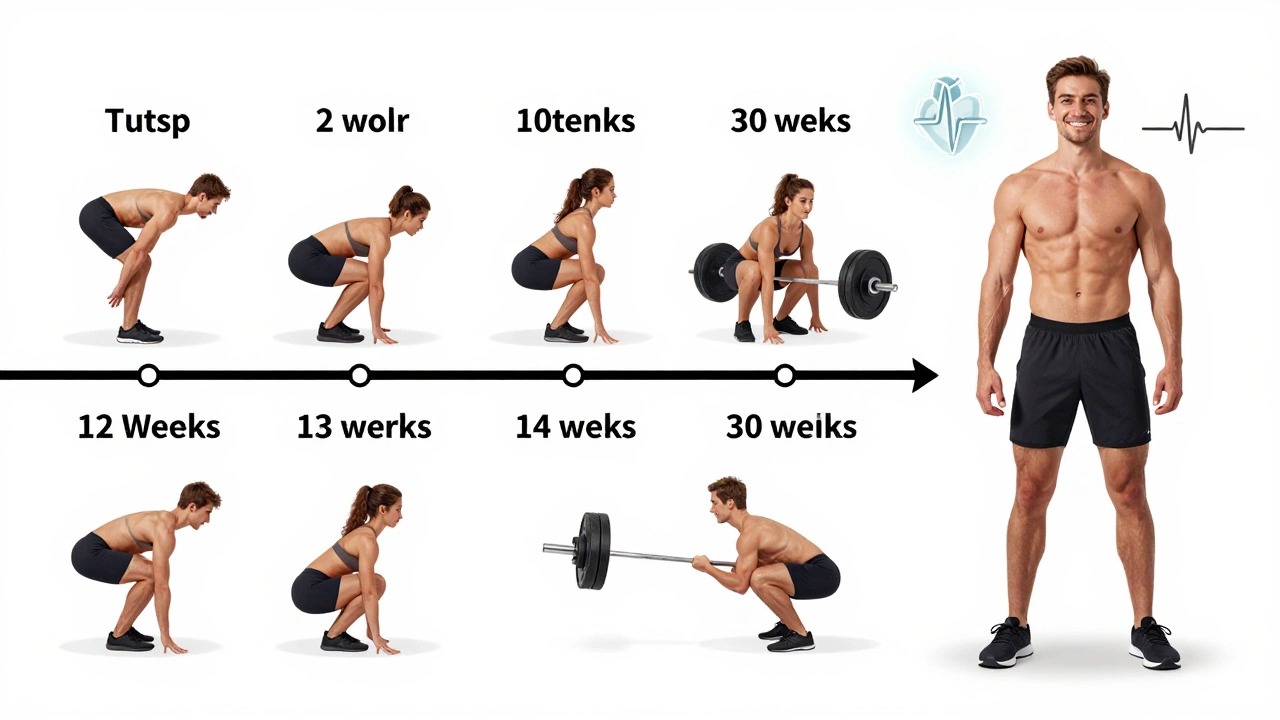
A 2023 study from the University of Sydney tracked 1,200 adults who worked out for exactly 30 minutes, five days a week. After 12 weeks, they lost an average of 4.3 kilograms of body fat, improved their VO2 max by 12%, and saw a 17% increase in strength across major lifts. That’s not magic. That’s efficiency.
Thirty minutes doesn’t mean you’re doing half the work. It means you’re doing the right work. The body doesn’t care if you spent 60 minutes on the treadmill if you didn’t challenge it. It cares about intensity, consistency, and stimulus.
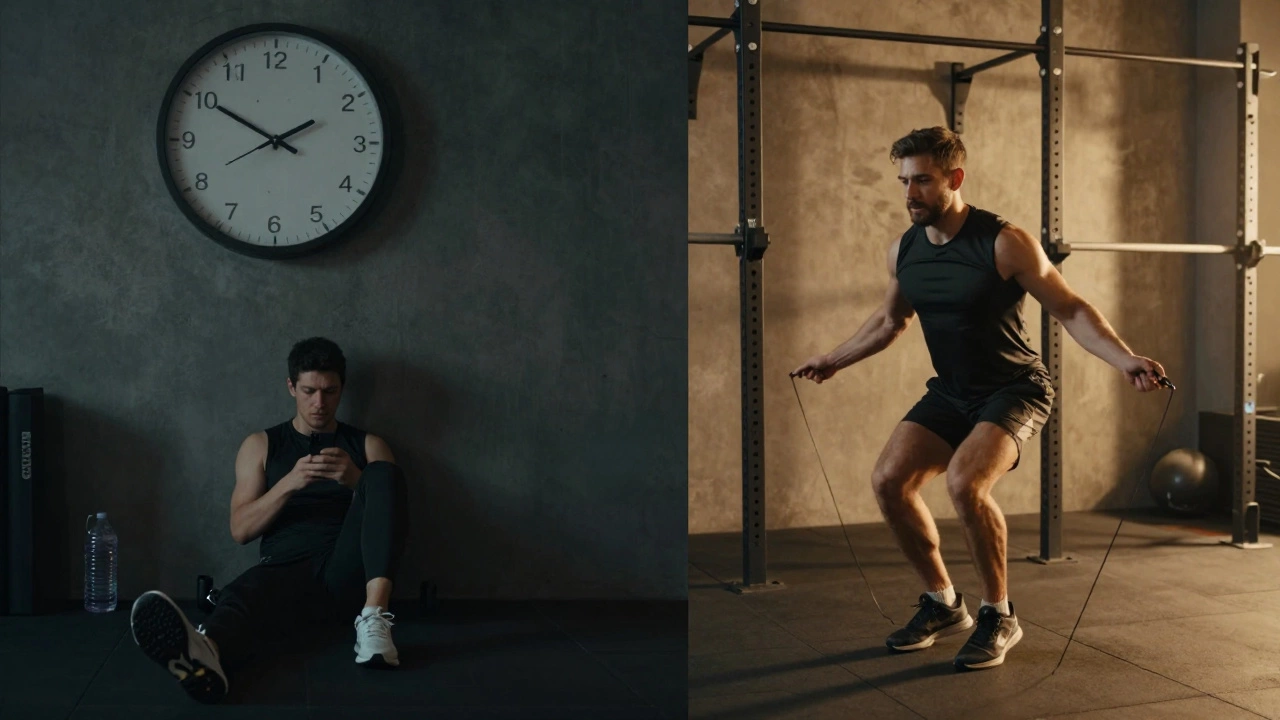
Most people waste time in the gym. They scroll through their phone while resting between sets. They switch machines every five minutes. They do three warm-up exercises before even touching a weight. That’s not training. That’s time-wasting.
Here’s what a real 30-minute workout looks like:
That’s it. No fluff. No distractions. You’re moving from one exercise to the next with minimal rest-45 to 60 seconds between sets. This style is called supersetting or circuit training, and it’s been proven to burn more calories in less time than steady-state cardio.
With consistent 30-minute sessions, here’s what you can expect over 3 months:
That last one? It’s real. A 2024 meta-analysis in the Journal of Strength and Conditioning Research found that people who did 30 minutes of resistance training three times a week lost more body fat than those who did 60 minutes of low-intensity cardio. Why? Because muscle burns calories even when you’re not moving.
Let’s be clear: 30 minutes won’t fix everything.
You won’t build a bodybuilder’s physique. You won’t run a marathon. You won’t lose 20 kilograms in a month. If your goal is extreme size, endurance, or rapid weight loss, you’ll need more time-or more intensity outside the gym.
But if you want to feel stronger, move better, sleep deeper, and look more confident? Thirty minutes is more than enough. Especially if you pair it with:
Those are the real game-changers. The gym is just the spark.
Here’s a routine you can do anywhere-even at home:
You’ll be done in 30. No machines. No waiting. No excuses.
There are exceptions. If you’re training for a competition, recovering from injury, or have a very high body fat percentage (over 30%), you might need longer sessions. But even then, 30 minutes can still be your core-add walking, stretching, or mobility work outside the gym.
And if you’re just starting out? Start with 20 minutes. Build the habit. Then add 5. Progress isn’t about how long you stay-it’s about showing up.
People who stick with fitness don’t have more time. They have better systems. They don’t wait for the perfect hour. They use the 30 minutes they have. That’s why gyms in Perth see the highest retention rates among people who do 30-minute sessions. They’re not trying to be superheroes. They’re just trying to be consistent.
Think about it: if you skip one 60-minute workout, you’re done for the week. If you skip one 30-minute workout? You can still do two 15-minute ones later. Flexibility beats perfection every time.
Thirty minutes at the gym isn’t a compromise. It’s a strategy. You don’t need to suffer for hours to see results. You just need to move with purpose. Lift hard. Breathe deep. Rest smart. Show up. Repeat.
That’s how real change happens-not in 60-minute marathons, but in 30-minute battles you refuse to quit.
Yes, if you’re working at moderate to high intensity and staying consistent. A 2024 study found that people who did 30 minutes of strength-based circuit training five times a week lost an average of 4.3 kg of body fat in 12 weeks-even without changing their diet. The key is intensity, not duration. Combine it with good sleep and protein intake for best results.
Absolutely. Muscle growth comes from progressive overload, not hours spent lifting. A 30-minute session with compound movements like squats, deadlifts, and push-ups, done 3-4 times a week, can build noticeable strength and muscle in 8-12 weeks. Focus on increasing weight or reps each week, not on how long you’re in the gym.
Strength training wins for overall health and fat loss in short sessions. It builds muscle, which raises your resting metabolism. But adding 5-10 minutes of high-intensity cardio (like sprints or rowing) at the end boosts calorie burn and heart health. The best 30-minute workouts combine both.
20 minutes is still enough. Cut the warm-up to 3 minutes and reduce rest between sets to 30 seconds. Do three rounds of: squats, push-ups, rows (using a resistance band or dumbbell), and planks. You’ll still get a full-body stimulus. Consistency over 20 minutes beats inconsistency over 60.
No. Bodyweight exercises like squats, lunges, push-ups, and planks are highly effective. You can add resistance with household items-a backpack filled with books, water jugs, or resistance bands. Equipment helps, but it’s not required to see results.
If you’re serious about getting results, stop worrying about how long you have. Start using what you do have. Thirty minutes is more than enough to change your body-if you make every second count.