Is 2 Rest Days in a Row Bad for Strength Training?

Ever hit snooze two days in a row and wonder if you messed up your gains? You’re not alone. Plenty of lifters panic when they skip workouts back-to-back-especially if they’re chasing progress. But here’s the truth: two rest days in a row aren’t just okay-they might be exactly what your body needs.
Why Rest Days Matter More Than You Think
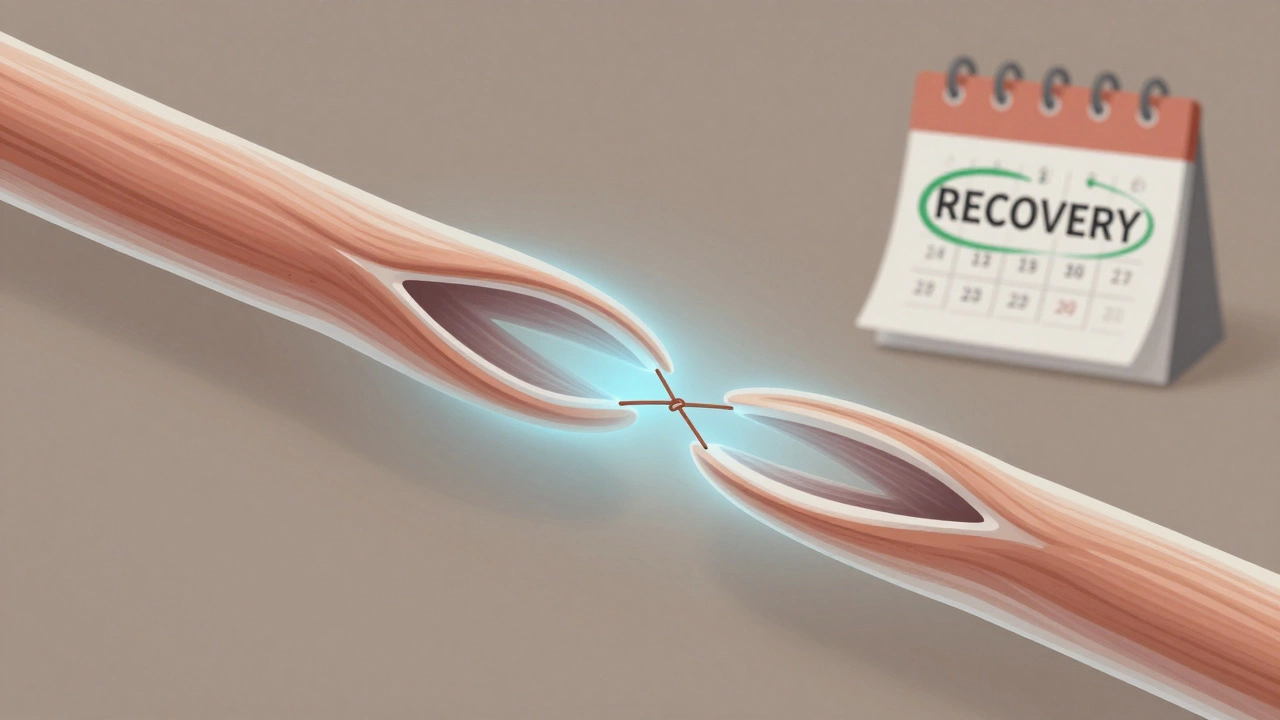
Muscles don’t grow when you lift. They grow when you rest. Every time you squat, press, or pull, you create tiny tears in your fibers. That’s not damage-it’s stimulus. Your body repairs those tears during recovery, and that’s when strength actually increases. No sleep? No rest? No growth.
Studies from the
Journal of Strength and Conditioning Research show that athletes who took two consecutive rest days every 7-10 days improved strength gains by 12% compared to those who trained daily without breaks. Why? Because overtraining doesn’t just slow you down-it increases cortisol, lowers testosterone, and messes with your nervous system. That’s not just fatigue. That’s burnout.
When Two Rest Days Are a Smart Move
Not all rest days are created equal. Two days off in a row makes sense in a few real-world scenarios:
- You had a brutal week-three heavy lifting sessions, plus weekend hiking or a long run.
- You’re sleeping less than 6 hours a night for several days straight.
- You’re feeling sore, sluggish, or mentally drained-not just tired, but broken down.
- You’re recovering from a minor injury, like a stiff shoulder or tight hip flexor.
- You’re in a deload phase, intentionally reducing volume to reset.
In Perth, where outdoor training is popular, many lifters push through weekends because the weather’s perfect. But pushing through when your body’s screaming for rest? That’s not discipline. That’s self-sabotage.
What Happens if You Rest Too Long?
Two days? Fine. Five days? Maybe not. There’s a difference between strategic recovery and unintentional stagnation.
If you miss three or more days in a row without a plan, you might start losing neuromuscular efficiency. Your body forgets how to fire muscles the same way. That doesn’t mean you lose muscle-muscle memory holds strong for weeks. But your coordination, explosiveness, and even grip strength can dip slightly.
A 2024 study tracking 120 strength athletes found that after five consecutive rest days, peak power output dropped by 8%. But after just two? No measurable decline. In fact, 73% of participants reported better performance the next time they lifted.
So the sweet spot? Two days. Enough to reset, not enough to lose momentum.
Active Recovery vs. Total Rest
Rest doesn’t mean lying on the couch scrolling TikTok all day (though, let’s be real-we’ve all done it).
Active recovery-light walking, stretching, foam rolling, or a slow swim-can speed up recovery without taxing your system. It boosts circulation, flushes out metabolic waste, and keeps your joints loose. But if you’re exhausted, even that might be too much.
Here’s a simple rule: If you feel like moving, move gently. If you feel like collapsing, collapse. Your body knows better than your schedule.
Signs You Need Two Rest Days (Not Just Excuses)
Don’t just skip workouts because you’re lazy. Look for real signals:
- Your resting heart rate is 10+ bpm higher than normal.
- You’re having trouble sleeping or waking up unrefreshed.
- Minor aches turn into persistent pain.
- You dread your next workout instead of feeling ready.
- Your lifts feel heavy, even with light weights.
These aren’t signs of laziness. They’re signs your central nervous system is overloaded. Two rest days can fix that faster than another set of squats.
How to Structure Two Rest Days Right
Just saying “I’m taking two days off” isn’t enough. Do it right:
- Day 1: Total rest. No gym. No intense movement. Maybe a short walk. Focus on hydration, sleep, and eating protein-rich meals.
- Day 2: Light mobility. 20 minutes of yoga, dynamic stretching, or foam rolling. No weights. No cardio. Just movement to keep blood flowing.
- Day 3: Return strong. Start with lighter weights than usual. Focus on form, not max effort. Your first workout back should feel easy-then build from there.
This approach isn’t about being lazy. It’s about being smart.
What About Beginners?
New lifters often think they need to train every day to “get results.” That’s a myth. Beginners recover faster than advanced lifters because their bodies aren’t used to heavy loads. But they also make the biggest mistakes-overtraining, skipping rest, pushing through pain.
If you’ve been lifting for less than six months, two rest days in a row might be exactly what you need to avoid burnout. Your nervous system is still learning how to handle stress. Give it space.

Myth Busting: “Resting Makes You Weak”
The idea that rest = losing progress is one of the most dangerous myths in strength training. It’s not true.
Think of it like charging a phone. You don’t keep it plugged in 24/7. You use it, then recharge. Your body works the same way. Missing two workouts doesn’t erase months of progress. It gives your body time to rebuild stronger.
Professional powerlifters often take two full rest days before competitions. Why? Because they know that peak performance doesn’t come from grinding-it comes from recovery.
When Two Rest Days Could Be a Problem
There are exceptions. If you’re:
- On a strict competition cycle with a deadline
- Trying to gain muscle on a tight timeline
- Training with a coach who has a structured plan
…then two rest days might disrupt rhythm. But even then, it’s better to miss two days than to risk injury or burnout.
If you’re unsure, ask yourself: “Am I resting because I’m tired-or because I’m scared?” If it’s fear, maybe you need to talk to a coach. If it’s exhaustion? Rest.
Final Takeaway
Two rest days in a row? Not bad. Not lazy. Not a setback. It’s a recovery tool. Used right, it makes you stronger, faster, and more consistent. Used wrong? It’s a sign you’ve been pushing too hard for too long.
Your body isn’t a machine. It’s a living system. And systems need downtime to function at their best.
Is it okay to take two rest days in a row if I’m sore?
Yes. Delayed onset muscle soreness (DOMS) means your muscles are repairing. Taking two full rest days allows deeper recovery, reduces inflammation, and can actually speed up your return to training. Light movement like walking helps, but if you’re too sore, rest is better than forcing a workout.
Will I lose muscle if I take two rest days?
No. Muscle loss doesn’t happen in two days. Studies show muscle protein synthesis stays elevated for up to 72 hours after a workout. Even after five days off, muscle mass remains stable in trained individuals. What you might lose is coordination or confidence-but not size or strength.
Should I do light cardio on rest days?
Only if you feel up to it. Light cardio like walking or cycling can improve circulation and reduce stiffness, but it’s not required. If you’re exhausted, skip it. Recovery isn’t about adding activity-it’s about removing stress. Rest means rest.
Can two rest days help with overtraining?
Absolutely. Overtraining isn’t just about being tired-it’s your nervous system shutting down. Two full rest days can reset cortisol levels, improve sleep quality, and restore motivation. Many lifters report feeling stronger after just one week of reduced training, including two consecutive rest days.
What if I miss two days and feel guilty?
Guilt is a sign you’ve bought into the myth that more training = better results. Real progress comes from consistency over months and years-not daily grind. One person who trains smartly with regular rest will outperform someone who trains six days a week but burns out in three months. Rest isn’t quitting. It’s planning.