You want to see changes in the mirror quickly. You have limited time, maybe only thirty minutes a day, and you want that effort to pay off with visible definition and better stamina. The question isn't just about burning calories during the workout; it is about which method triggers the most lasting metabolic change. If speed is your only metric, one type of exercise stands out above the rest.
High-Intensity Interval Training (HIIT) is widely recognized by fitness professionals as the fastest way to improve cardiovascular health and body composition. Unlike steady-state cardio, which burns calories while you do it, HIIT creates an 'afterburn' effect that keeps your metabolism elevated for hours after you finish. However, "fastest" comes with caveats regarding injury risk and recovery needs. Understanding how to structure this training is key to getting results without burning out.
To understand why HIIT wins the speed contest, we need to look at what happens inside your body. When you jog on a treadmill for forty-five minutes at a moderate pace, your body learns to be efficient at jogging. It becomes better at using oxygen and conserving energy. This is great for endurance, but it doesn't shock your system into rapid adaptation.
High-Intensity Interval Training is a workout strategy that alternates short bursts of intense anaerobic exercise with less intense recovery periods. During those high-intensity bursts, you push your heart rate to 80-95% of its maximum. This level of exertion depletes your glycogen stores rapidly and creates microscopic tears in muscle fibers. Your body has to work overtime to repair this damage and replenish energy reserves.
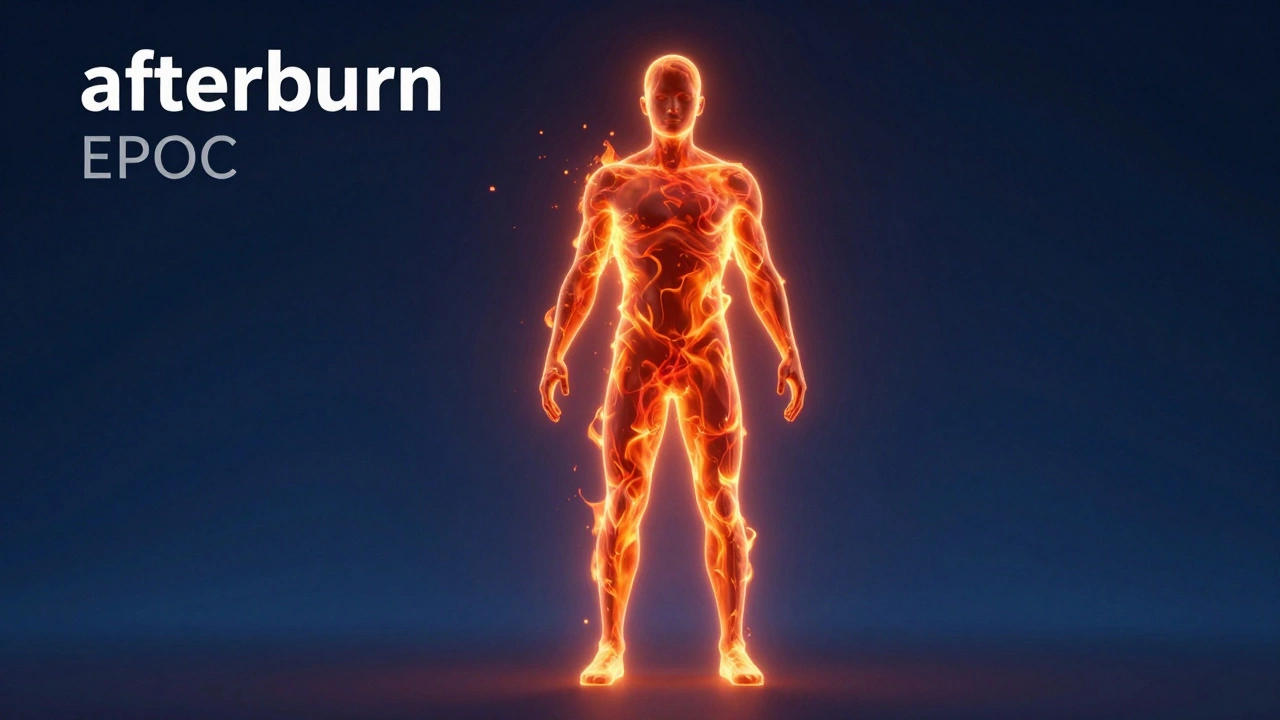
This process is known as Excess Post-exercise Oxygen Consumption (EPOC). After a heavy HIIT session, your body continues to consume oxygen at a higher rate than normal to restore homeostasis. This means you are burning calories for up to 24 to 48 hours after the workout is over. A thirty-minute HIIT session can burn significantly more total calories than an hour of steady-state running when you account for this afterburn effect.
Not all HIIT workouts are created equal. To get in shape fast, you need movements that engage large muscle groups. Compound movements recruit more muscles, which demands more oxygen and energy. Here are the top exercises that deliver the highest return on investment:
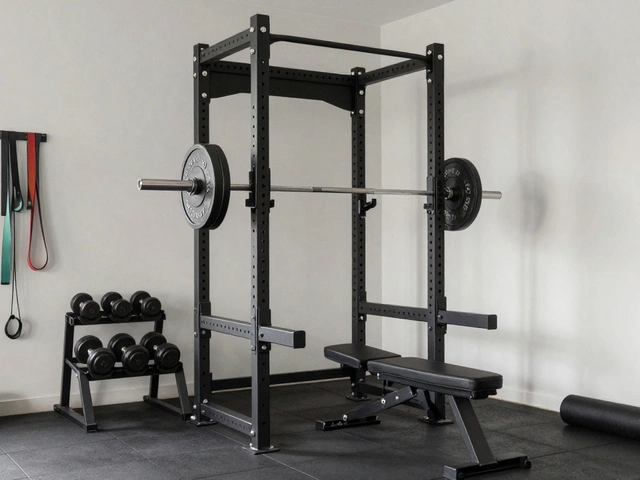
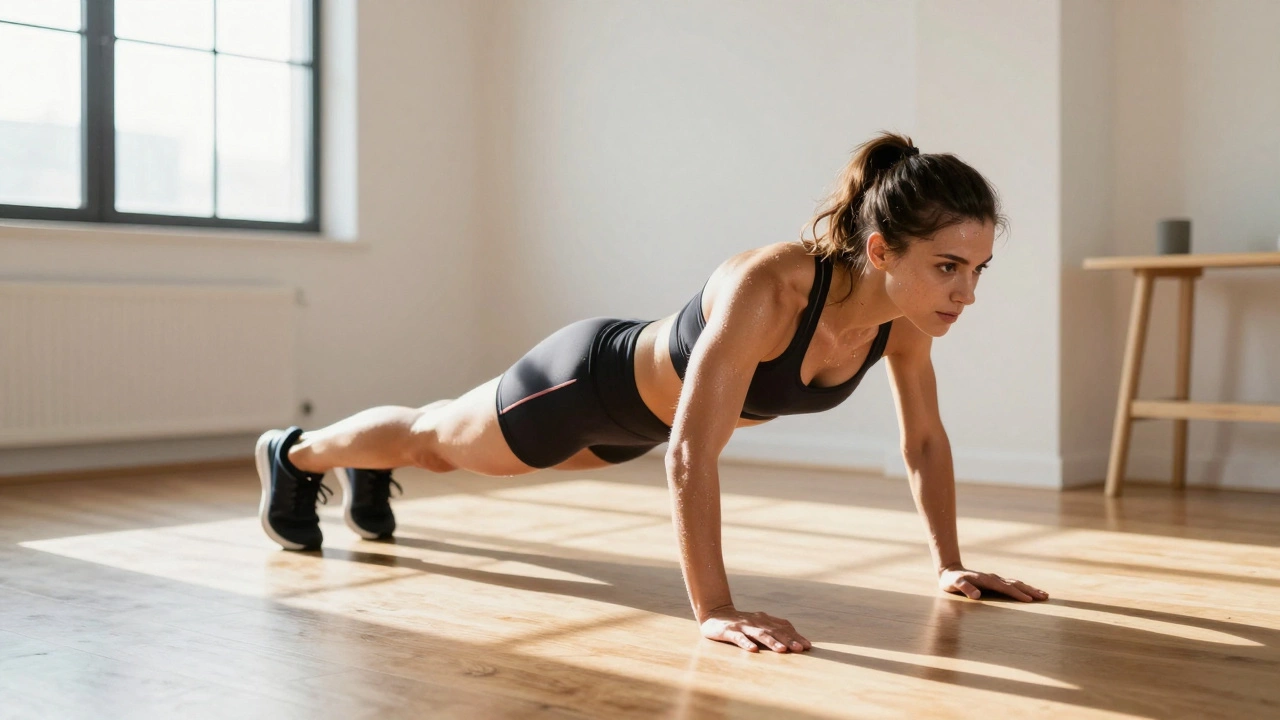
You don't need a gym for these. Bodyweight exercises like burpees and mountain climbers can be done in your living room. The key is intensity, not equipment. If you aren't breathing hard enough to speak in full sentences during the work intervals, you aren't doing HIIT correctly.
Doing random exercises quickly isn't HIIT. Structure matters. A well-designed HIIT session follows a specific ratio of work to rest. For beginners aiming for quick results, a 1:2 work-to-rest ratio is often sustainable. This means 30 seconds of all-out effort followed by 60 seconds of active recovery (like walking slowly).
As you get fitter, you can shift to a 1:1 ratio. Try this simple circuit:
This entire session takes about 25 minutes. Research suggests that sessions lasting between 15 and 30 minutes are optimal for maximizing EPOC without triggering excessive cortisol production, which can hinder fat loss if levels remain chronically high.
Here is where many people make a mistake. Because HIIT is so effective, they think they should do it every day. This is dangerous. High-intensity training places significant stress on your central nervous system (CNS) and joints. Doing it daily leads to overtraining, plateauing, and injury.
To get in shape fastest, consistency beats frequency. Aim for 3 to 4 HIIT sessions per week. On the off days, focus on active recovery or low-intensity steady-state (LISS) cardio, such as a brisk 30-minute walk. This allows your body to repair and adapt while keeping your daily step count up.
| Feature | HIIT | Steady-State (LISS) |
|---|---|---|
| Time Efficiency | High (15-30 mins) | Low (45-60+ mins) |
| Calorie Burn (During) | Moderate to High | Moderate |
| Afterburn Effect (EPOC) | Significant (up to 48 hrs) | Minimal |
| Injury Risk | Higher (if form is poor) | Lower |
| Muscle Preservation | Better (preserves lean mass) | Poorer (can lead to muscle loss) |
| Frequency Limit | 3-4 times/week | Daily |
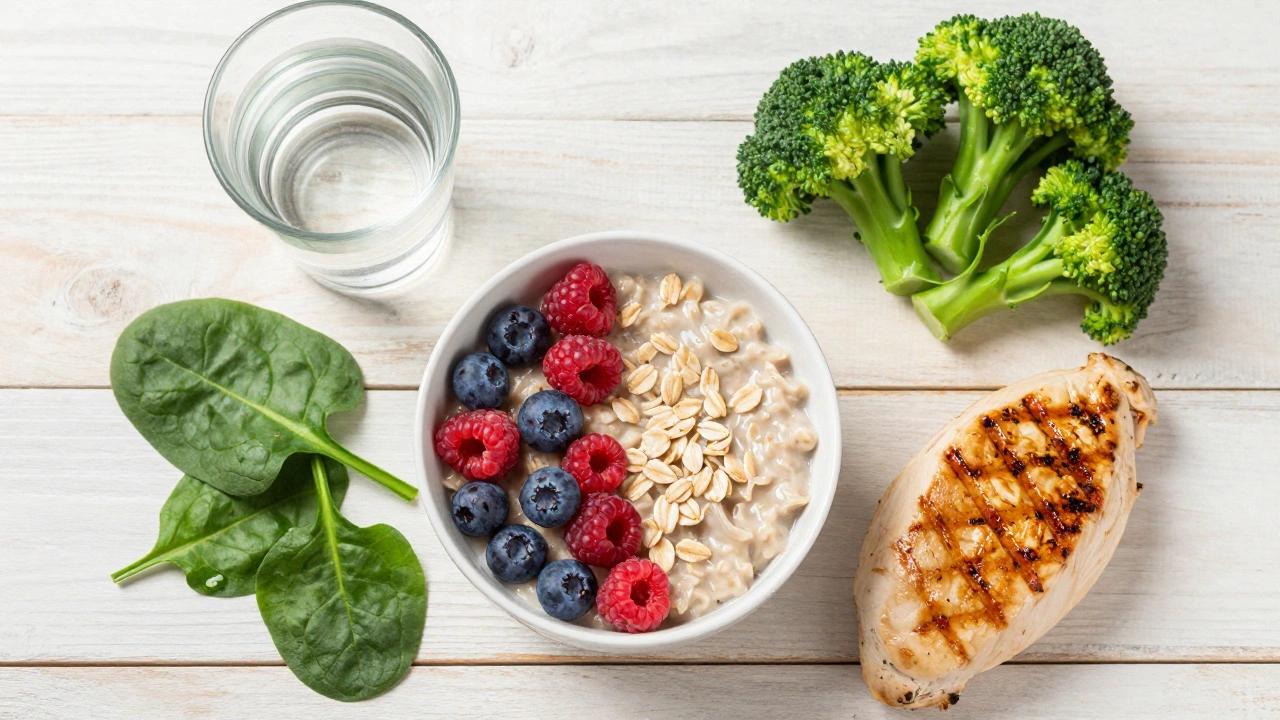
You cannot out-train a bad diet. Even the best HIIT program will fail if you are consuming more calories than you burn. To get in shape fast, you need a slight caloric deficit. Focus on whole foods: lean proteins, vegetables, healthy fats, and complex carbohydrates.
Protein is crucial here. Since HIIT causes muscle breakdown, adequate protein intake (around 1.6 to 2.2 grams per kilogram of body weight) helps repair tissue and build lean muscle. More muscle means a higher resting metabolic rate, which helps you burn fat even when sleeping.
Hydration also plays a huge role. Dehydration reduces performance and increases fatigue. Drink water before, during, and after your workouts. In Perth's hot climate, this is especially important if you are training outdoors.
Many people rush into HIIT without building a base. If you have been sedentary for years, jumping straight into sprint intervals can lead to shin splints or knee pain. Start with lower-impact options like cycling or rowing. Once you have built some baseline fitness, introduce high-impact moves like box jumps.
Another pitfall is neglecting sleep. Sleep is when your body repairs itself. If you are doing intense cardio but only sleeping five hours a night, your cortisol levels will stay high, and your body will hold onto fat, particularly around the midsection. Aim for 7-9 hours of quality sleep.
Finally, listen to your body. Pain is different from discomfort. Discomfort is expected during HIIT; sharp pain is not. If something hurts, stop. Modifying an exercise is better than getting injured and being sidelined for weeks.
Consistency is the secret sauce. Here is a balanced weekly plan designed for rapid results while minimizing injury risk:
This schedule gives you three high-intensity days, one moderate day, and three recovery days. It balances the stress of HIIT with the recovery needed to adapt. Stick to this for four to six weeks, and you will likely notice significant improvements in your energy levels, stamina, and body composition.
Getting in shape fast requires discipline, smart training, and patience. HIIT is the most efficient tool you have, but it must be used correctly. Respect the intensity, prioritize recovery, and fuel your body well. The results will follow.
Yes, generally speaking. While both burn calories, HIIT creates a larger afterburn effect (EPOC), meaning you continue to burn calories after the workout. Running, especially long-distance steady-state running, does not trigger this same metabolic boost. However, running is easier to sustain for longer durations, which might be better for beginners who cannot handle high intensity yet.
Most people notice improved energy and stamina within 2-3 weeks. Visible changes in body composition, such as reduced belly fat and increased muscle definition, typically appear after 4-6 weeks of consistent training combined with proper nutrition. Genetics and starting fitness levels play a role in how fast these changes occur.
No. HIIT is highly stressful on the central nervous system and joints. Doing it daily increases the risk of overtraining, injury, and burnout. It is recommended to limit HIIT to 3-4 sessions per week, allowing at least one rest day between sessions for recovery.
The best time is whenever you can stick to it consistently. Some studies suggest morning fasting cardio may enhance fat oxidation, but the difference is minimal compared to overall calorie balance. Choose a time that fits your schedule and allows you to perform with high intensity, avoiding late-night sessions that might disrupt sleep.
No. Bodyweight exercises like burpees, jump squats, and mountain climbers are highly effective for HIIT. However, adding resistance bands, kettlebells, or dumbbells can increase intensity and variety, helping you progress further once bodyweight exercises become too easy.
It can be, but modifications are necessary. Beginners should start with lower-impact options like cycling or rowing and use longer rest intervals (e.g., 1:3 work-to-rest ratio). Focus on perfect form before increasing speed or intensity. Consult a doctor before starting if you have pre-existing health conditions.
Diet is critical. You cannot out-train a poor diet. To lose fat, you need a caloric deficit. To build muscle, you need adequate protein. HIIT boosts metabolism, but if you eat excess calories, you will not lose weight. Combine HIIT with a balanced diet rich in whole foods for the fastest results.
Eat a small snack with carbohydrates and a little protein 30-60 minutes before working out. Examples include a banana with a tablespoon of peanut butter or a small bowl of oatmeal. Avoid heavy, fatty, or fibrous meals right before exercising, as they can cause digestive discomfort during high-intensity movement.