Answer a few questions about your lifestyle to discover which device is the best fit for you.
You’ve probably worn a Fitbit at some point. It’s the default choice for millions of people tracking steps and sleep. But let’s be honest-sometimes you outgrow it. Maybe the battery dies too fast, the design feels dated, or you’re tired of paying for premium features just to see your heart rate zones. If you are hunting for the best fitness tracker besides Fitbit, you aren’t alone. The wearable tech market in 2026 is crowded with incredible options that do everything Fitbit does, often better, sometimes cheaper, and occasionally in ways you didn’t know you needed.
Choosing a new device isn’t just about swapping one bracelet for another. It’s about matching technology to your lifestyle. Do you run marathons? You need GPS accuracy. Are you a swimmer? Water resistance matters more than screen size. Do you hate charging devices every night? Battery life becomes your north star. This guide breaks down the top contenders, helping you decide which wrist companion actually earns its place on your arm.
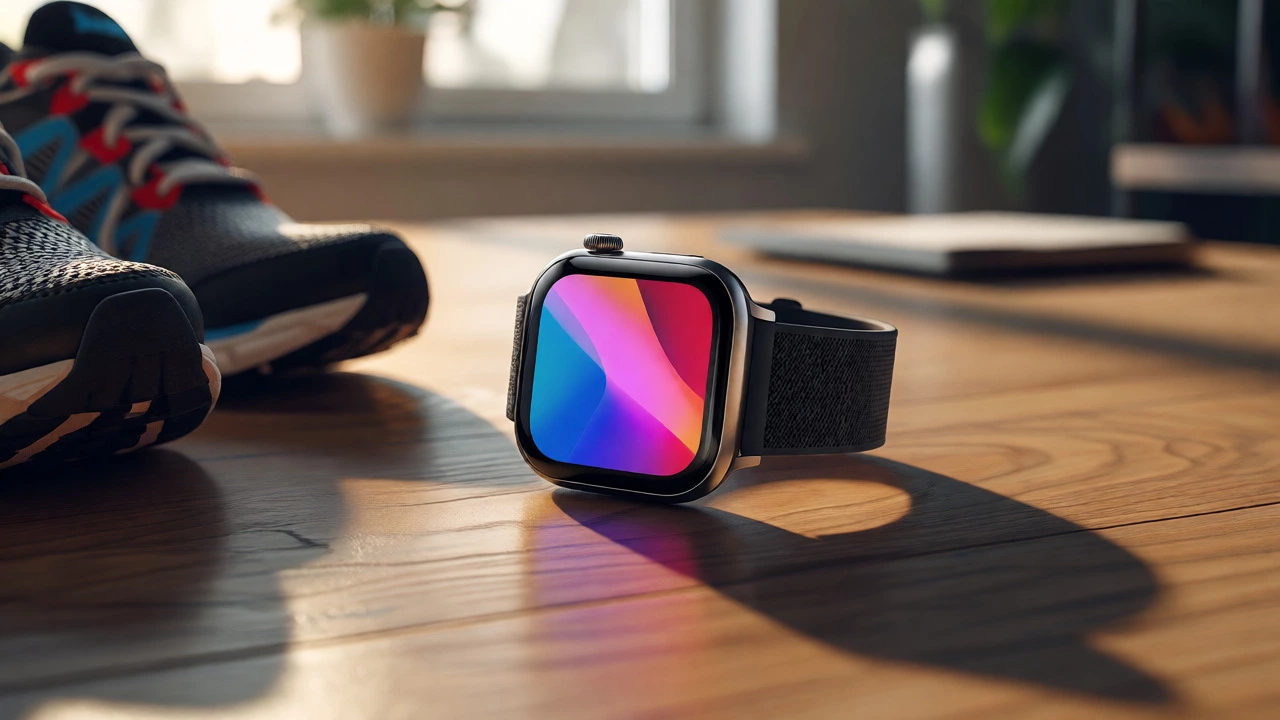
If you already live in the Apple ecosystem, the Apple Watch is likely your strongest alternative. Unlike standalone trackers, this is a full smartwatch. It handles calls, messages, music, and apps while tracking health metrics with clinical-grade precision. The Series 10 model, released recently, offers a larger display and thinner profile compared to earlier versions.
Why choose it over Fitbit? Integration. Your workout data syncs seamlessly with iPhone Health, allowing third-party apps like Strava or TrainingPeaks to pull data effortlessly. The heart rate sensor is exceptionally accurate, often rivaling chest straps during high-intensity interval training (HIIT). However, there is a catch: battery life. Most users get 18 hours of usage, meaning you must charge it daily. If you want to track sleep, you’ll need to wear it to bed, which conflicts with charging unless you have a second unit or a quick-charge routine.
Another factor is cost. Apple Watches are expensive, starting around $399 AUD. Plus, many advanced health features require an Apple One subscription or specific app subscriptions. But if you value connectivity and sleek design above all else, nothing beats the polish of Apple’s hardware.
For serious athletes, particularly runners and cyclists, Garmin has long been the gold standard. The Forerunner 265 is a standout because it balances advanced metrics with a bright AMOLED screen, making it readable in direct sunlight-a common complaint with older Garmin models.
What sets Garmin apart is its focus on performance analytics. While Fitbit gives you a score, Garmin tells you *why* your body feels tired. Features like Training Readiness, HRV Status, and Morning Report provide actionable insights based on your recovery state. If you slept poorly, Garmin might suggest lowering your intensity today. This level of detail appeals to data nerds who want to optimize every kilometer.
Battery life is also superior here. You can expect up to 15 days in smartwatch mode and 20+ hours in GPS mode. That means you can go on a weekend hiking trip without packing a charger. The downside? The interface can feel clunky if you’re used to smartphone-like navigation. Buttons are preferred over touchscreens by many athletes because they work when hands are sweaty or gloved. If you prioritize function over form, Garmin wins.
Android users often feel left out of the premium wearable conversation. Enter the Samsung Galaxy Watch 7. Designed specifically for Samsung phones, it offers deep integration with Android Health Connect. Like the Apple Watch, it functions as a communication hub, but it leans heavily into bio-sensing innovation.
Samsung has introduced improved body composition analysis using electrical impedance sensors. You can measure muscle mass, fat percentage, and total body water directly from your wrist. While not medical-grade, it provides a consistent trend line that helps you monitor changes in body composition alongside weight loss efforts. The watch also tracks blood oxygen levels and detects irregular heart rhythms, offering peace of mind for those concerned about cardiac health.
One major advantage is the rotating bezel (on Classic models) or intuitive swipe gestures, which make navigating menus easier than tapping small screens. Battery life sits between Fitbit and Apple, typically lasting two to three days depending on usage. If you own a Samsung phone, the pairing experience is flawless. Notifications pop up instantly, and replying via voice dictation works surprisingly well.
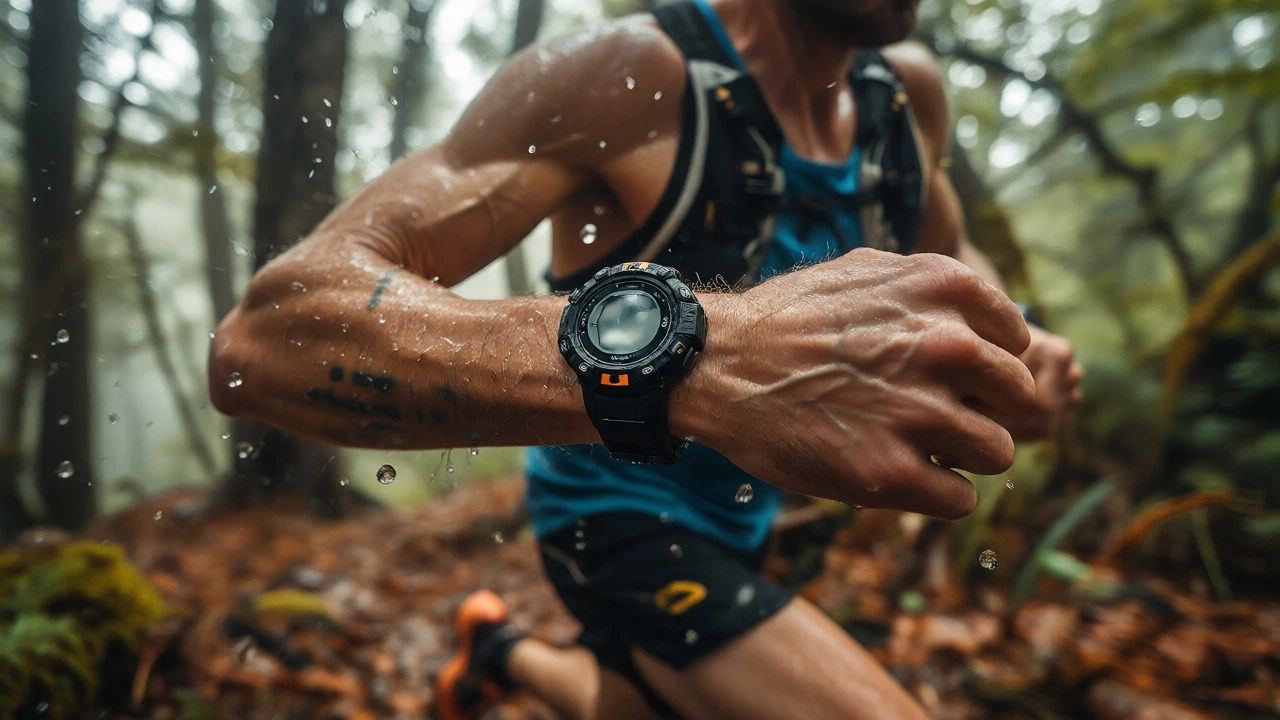
Whoop is different. It has no screen. No notifications. No calls. It is purely a sensor designed to analyze strain and recovery. This minimalist approach attracts users who want to disconnect from digital noise while staying connected to their physiology.
Whoop operates on a membership model. You pay a monthly fee for access to the app and data insights. In return, you get a highly detailed view of how your workouts impact your body. The Recovery Score is central to the Whoop experience, telling you whether your body is ready to push hard or needs rest. Many professional athletes use Whoop to prevent overtraining.
The trade-off is ongoing cost. Over five years, a Whoop membership can exceed the price of buying a Garmin outright. Additionally, since there is no screen, you cannot check your pace mid-run without looking at your phone. It requires a shift in mindset-you trust the data rather than checking real-time stats constantly. If you prefer simplicity and deep physiological analysis over smartwatch features, Whoop is a compelling alternative to Fitbit’s Premium tier.
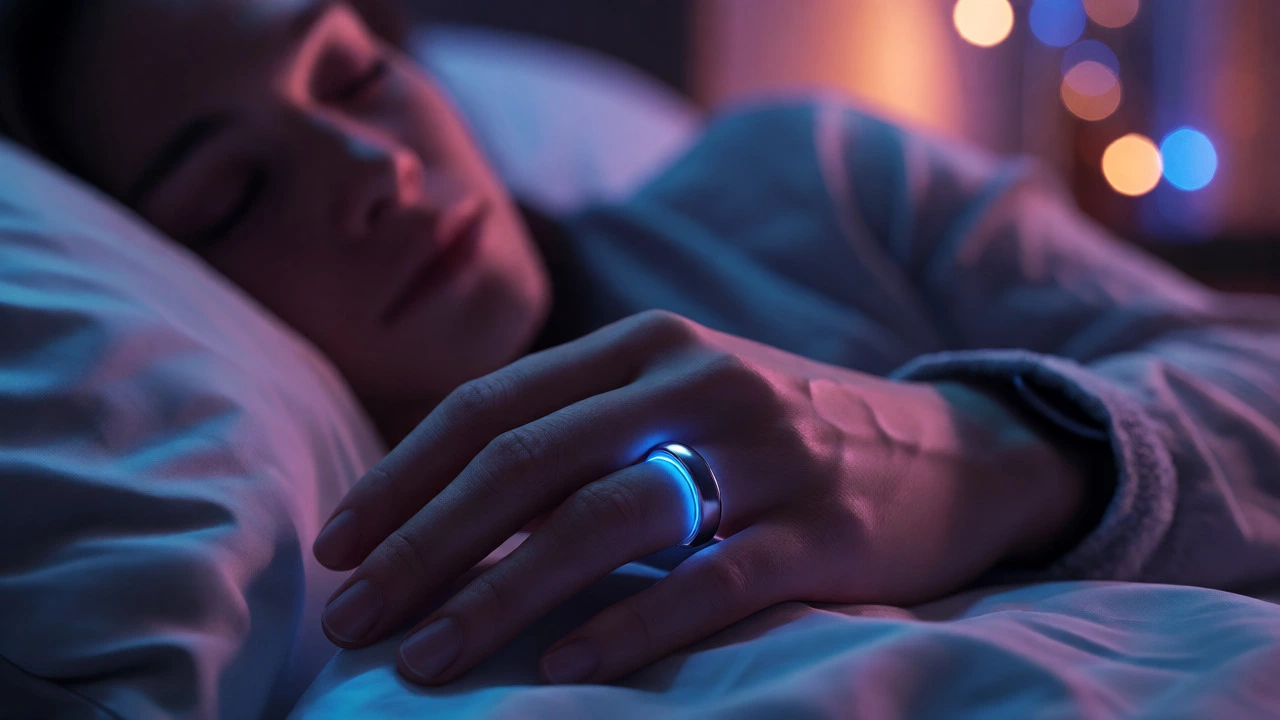
If bulky watches bother you, especially at night, the Oura Ring offers a discreet solution. Shaped like a simple band, it focuses primarily on sleep quality, readiness, and temperature trends. Oura has become popular among wellness enthusiasts who prioritize rest over intense athletic performance.
The ring excels at detecting subtle changes in body temperature and heart rate variability (HRV), which can signal illness onset before symptoms appear. During the pandemic, many users relied on Oura to spot early signs of infection. Its sleep staging accuracy is widely regarded as industry-leading, often outperforming wrist-based trackers due to the finger’s rich blood flow.
However, it lacks GPS and continuous heart rate monitoring during intense exercise. You won’t see real-time calories burned accurately during a HIIT session. Instead, it estimates effort post-workout. Also, like Whoop, it requires a subscription ($6/month) after the initial purchase. If your main goal is improving sleep hygiene and managing stress rather than tracking marathon splits, Oura is the most comfortable option available.
To help you visualize the differences, here is a breakdown of key attributes. Note that prices are approximate Australian market rates as of late 2026.
| Device | Best For | Battery Life | Key Feature | Subscription Required? |
|---|---|---|---|---|
| Apple Watch Series 10 | iOS Users / Smart Features | ~18 Hours | Ecosystem Integration | No (Optional for Apps) |
| Garmin Forerunner 265 | Runners / Data Geeks | 15 Days | Training Readiness | No |
| Samsung Galaxy Watch 7 | Android Users / Health Metrics | 2-3 Days | Body Composition | No |
| Whoop 4.0 | Recovery / Athletes | 5 Days | Strain & Recovery Score | Yes (Monthly) |
| Oura Ring Gen 3 | Sleep / Minimalists | 4-7 Days | Sleep Staging Accuracy | Yes (Monthly) |
Picking the right device depends entirely on what you value most. Here is a quick decision tree to simplify the process:
Consider your current phone as well. Cross-platform compatibility has improved, but native integration always offers the smoothest experience. An Apple Watch on Android loses significant functionality, such as setting up the device initially. Similarly, some Samsung health features are restricted to Galaxy devices.
Moving away from Fitbit can be frustrating if you aren’t prepared. First, data migration isn’t always seamless. While you can export your history, historical step counts or sleep stages may not transfer perfectly to new platforms. Don’t expect your new device to replicate your old baseline exactly.
Second, adjust your expectations regarding accuracy. No consumer wearable is perfect. Chest straps remain the benchmark for heart rate accuracy during high-intensity bursts. Wrist-based optical sensors struggle with rapid movements or tight fits. If you notice discrepancies, try tightening the strap or moving it higher up the forearm.
Finally, beware of feature bloat. Some devices offer dozens of metrics you will never use. Focus on the three pillars: Activity, Sleep, and Heart Rate. If a device nails these basics reliably, ignore the fancy extras like NFC payments or music storage unless you truly need them.
Yes, you can maintain your Fitbit account for historical data, but it won't sync automatically with non-Fitbit devices. You would need to manually enter data or use third-party services like Zapier to bridge the gap, which can be cumbersome. Most users eventually archive their Fitbit data and start fresh with the new platform.
In recent tests, the Apple Watch Series 10 and Garmin Forerunner 265 consistently rank highest for wrist-based heart rate accuracy. They closely match chest strap readings during steady-state cardio. For high-intensity interval training (HIIT), even the best wrist trackers may lag slightly, so consider pairing a compatible chest strap if precision is critical for your training zones.
It depends on your commitment to training. If you actively use the Recovery Score to adjust your daily workouts and appreciate the lack of distractions, the subscription pays off through better performance and injury prevention. If you only care about step counts, you can find cheaper one-time-purchase options like Garmin that offer similar basic metrics without recurring fees.
Almost all modern trackers require a smartphone for initial setup and data syncing. Some, like certain Garmin models, allow limited offline map usage and music playback without a phone nearby. However, for full functionality, including notifications and cloud backups, a paired smartphone running iOS or Android is essential.
Garmin and Apple Watch both offer excellent swim tracking capabilities, including stroke detection and lap counting. The Oura Ring is water-resistant but does not track swim laps effectively. If swimming is your primary activity, choose a device with dedicated pool profiles and GPS for open-water swims, such as the Garmin Forerunner series or Apple Watch Ultra models.